Beige Is Boring and We're DONE Pretending Otherwise
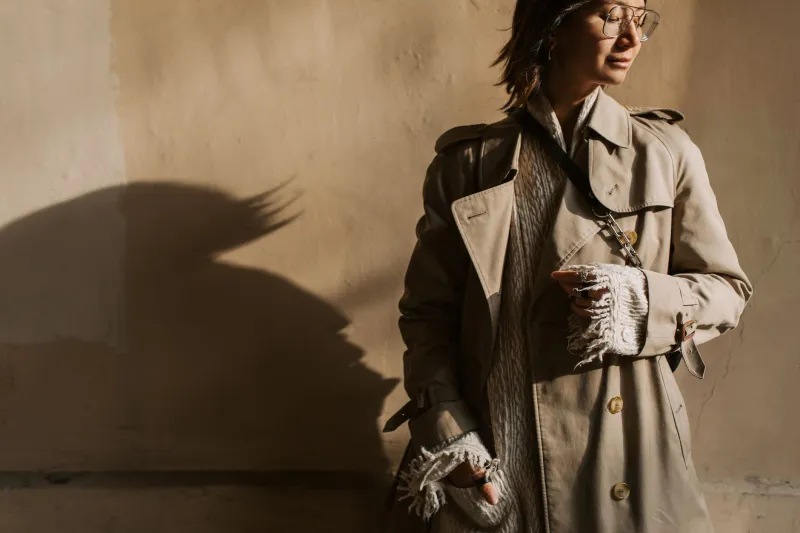
Let's pour one out for the beige era. It was tasteful. It was restrained. It cost approximately $4,000 per linen blazer and asked absolutely nothing of your personality. And for a solid two-plus years, we were obsessed with it.
But something shifted — quietly at first, then all at once — and now the aesthetic formerly known as "quiet luxury" is getting absolutely bulldozed by its loud, sequined, chaotic cousin: maximalism. If your mood board still looks like a Restoration Hardware catalog, we need to talk.
What Even Was Quiet Luxury, Though?
For the uninitiated (or the recently emerged from a sensory deprivation tank), quiet luxury was the aesthetic that told you wealth was best communicated through the absence of effort. No logos. No color. Just impeccably cut neutrals, cashmere in seventeen shades of oat, and the kind of confidence that says "I summer as a verb."
It was Succession-coded. It was Sofia Richie's wedding. It was every influencer suddenly discovering The Row and pretending they'd always known about it.
And honestly? It was kind of gorgeous. For a minute.
But here's the thing about restraint: it gets exhausting. And Gen Z — bless their chaotic, creative little hearts — was never going to stay in a neutral corner for long.
The Maximalist Comeback Nobody Saw Coming (Except Everyone Did)
The signs were there. They were just wearing so many patterns at once that we missed them.
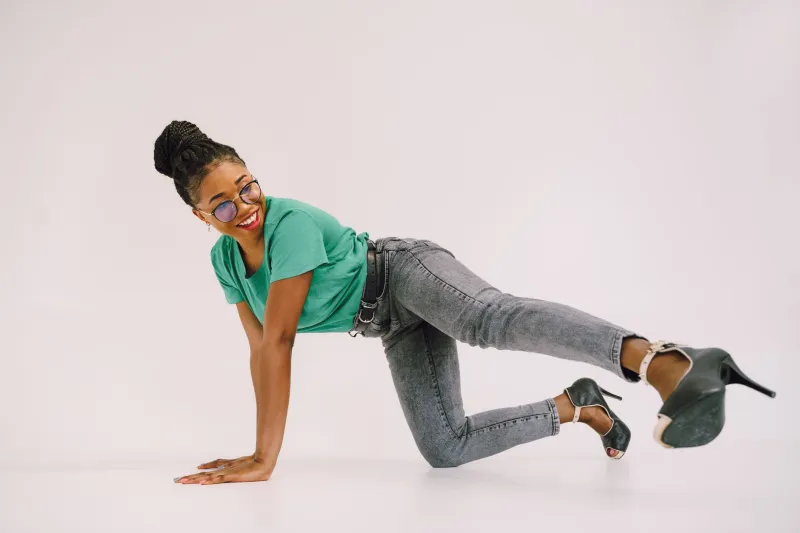
Street style at New York Fashion Week's most recent seasons looked less like a whisper and more like a shout — cobalt blue faux fur coats layered over floral midi skirts, chunky jewelry stacked past the point of reason, bags in shades that don't exist in nature. And the crowd? Losing their minds over it.
Fashion trend analysts have been clocking the shift for months. The consensus? We've entered what some are calling the "personality-first" era of dressing, where the goal isn't to signal wealth through restraint but to signal self through every possible visual tool available.
"Quiet luxury always had an inherent gatekeeping problem," says one stylist and influencer with over 800K followers who's made the maximalist leap publicly and loudly. "It said, 'I have so much money I don't need to try.' But maximalism says, 'I have so much creativity I can't possibly hold back.' That's a much more interesting flex right now."
Hard to argue with that.
Why Gen Z Is Leading the Charge
Here's where it gets interesting. Quiet luxury, for all its accessibility cosplay, was fundamentally aspirational in a very specific, upper-crust direction. You were performing old money. You were doing your best impression of someone who went to boarding school in Connecticut.
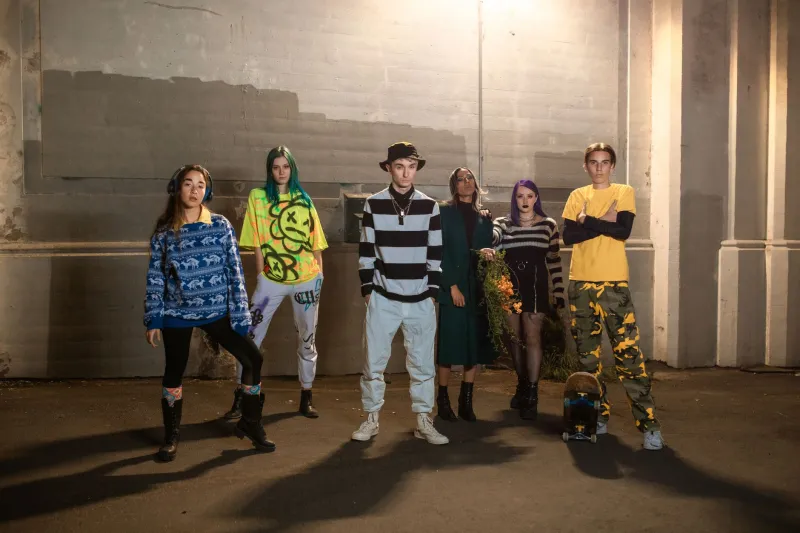
Gen Z, as a generation that grew up watching that performance from the outside, is over it. They're not trying to look like they belong at a yacht club. They're trying to look like themselves — and themselves happen to be people who thrive on color, texture, irony, and the kind of clashing-pattern combinations that would give a Nantucket grandmother a heart attack.
Thrift culture is part of it. When your wardrobe is built from vintage finds and thrift store scores, maximalism isn't just an aesthetic — it's the natural result of buying what you love rather than what coordinates. There's something genuinely radical about that.
Social media has accelerated the whole thing too. TikTok's micro-trend cycle moves so fast that any aesthetic requiring long-term commitment (see: an entirely neutral wardrobe) is already at a disadvantage. Maximalism, by contrast, is infinitely remixable. New piece, new look, new post. The algorithm is fed. The people are served.
The Brands That Read the Room
Fashion houses aren't dumb. They follow the money, and right now the money is wearing seven colors simultaneously.
Brands that had leaned hard into minimalist capsule collections are quietly (ironically) pivoting. Zara — forever the barometer of what's about to be everywhere — has been stocking bolder prints and more adventurous silhouettes. Anthropologie is having an absolute moment. And the vintage market for '70s and '80s maximalist pieces? Through the roof.
Even luxury houses that built recent collections around understated elegance have been sneaking color back in. A cobalt here. An electric yellow there. A print that would have been unthinkable two seasons ago.
They know. They always know.
Does This Mean Quiet Luxury Is Dead?
Okay, let's not be dramatic. (Actually — this is Oh, Timehin! — let's absolutely be dramatic.)
Quiet luxury isn't dead so much as it's been dethroned. It'll live on in the closets of people who genuinely love it, in office environments that still require a certain level of visual restraint, and in the hearts of anyone who has ever found genuine joy in the perfect ivory blazer. That's valid! That's fine!
But as the dominant cultural aesthetic, as the thing everyone is aspiring toward and posting about and building Pinterest boards around? Its reign is over.
Maximalism isn't just a trend. It's a correction. After years of performing someone else's version of taste, people are remembering that fashion is supposed to be fun — that getting dressed is an act of self-expression, not self-erasure.
So dig out the sequins. Clash the prints. Stack the rings until your fingers can barely move. The beige era had its moment.
Yours is louder. And honestly? It's so much more interesting.