Your Social Life Has a New Personal Trainer — And It Comes With Push Notifications

At some point in your late twenties — or your early thirties, or honestly any age when life gets genuinely complicated — you look up from the chaos and realize you haven't spoken to your closest friend in three weeks. Not because anything happened. Not because of drama or distance or falling out. Just because life, that relentless, calendar-filling machine, ate the time you meant to spend on the people you love.
Welcome to adult friendship. It's a mess. And now, apparently, there's an app for it.
The Problem That Spawned a Category
Friend-maintenance apps — let's call them "bestie apps" because that's more fun and also more accurate — are a genuinely new category of social technology built around a depressingly real insight: adults are terrible at maintaining friendships, and they feel awful about it.
Studies (and also just, vibes) suggest that Americans are lonelier than ever. The U.S. Surgeon General literally issued an advisory about it in 2023, calling loneliness an epidemic. Meanwhile, the average American adult reports having fewer close friends than they did a decade ago, and the window of time in which making new deep friendships feels natural — basically, school — closes distressingly early.
So what fills the gap? Apparently, a notification that says "Hey, you haven't reached out to Marcus in 34 days. Maybe send him a meme?"
The Apps Actually in the Game
The space is newer than you'd think, but it's growing fast. Here's who's actually playing:
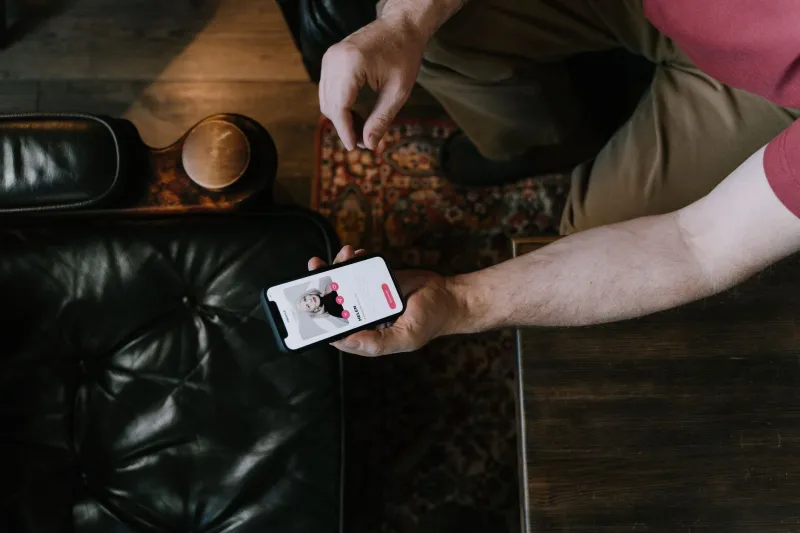
Vybe and similar platforms operate on a social graph model — you import your contacts or connect your existing social accounts, and the app tracks interaction frequency, nudging you when relationships are going "cold" by its metrics. It's LinkedIn for your personal life, which sounds dystopian until you realize you genuinely did forget to call your college roommate for four months.
Friended takes a different angle, functioning more like a friend-finding app (think Bumble BFF, but with a stronger community focus) while also offering tools for maintaining the connections you make. The app has found particular traction among people who've relocated for work and are essentially starting their social lives from scratch in a new city — a very American experience.
Locket Widget and Widgetsmith-style apps have carved out a friendship-maintenance niche almost accidentally, with users adopting the "photo widget" format to stay visually connected with people they love. It's less formal than a text, more intimate than a like. Surprisingly effective.
And then there's the old guard — Snapchat streaks, which have been gamifying friendship maintenance for over a decade now and have the psychological hooks to prove it. Ask any teenager (or, let's be real, any millennial who never quit) how they feel about losing a streak and watch the visceral reaction.
The Weird Side Effects of Gamifying Your Social Life
Here's where it gets philosophically strange, and also kind of hilarious.
When you put a number on a relationship — days since last contact, interaction score, friendship "health" percentage — you introduce a very specific kind of anxiety that didn't exist before. Suddenly, you're not just a person who loves their friends. You're a person who is failing their friends, quantifiably, and the app has the receipts.
Several users of relationship-tracking apps have described what can only be called "friendship guilt spirals" — seeing the notification that you haven't reached out to someone, feeling bad, then feeling bad about feeling bad instead of just texting, then feeling worse, then closing the app and watching TV. The road to reconnection, paved with push notifications and abandoned intentions.
There's also the authenticity question. If you text your friend because an app told you to, is that... real? Does it count? Most people, when pressed, say yes — that the intention matters more than the prompt, and that a "thinking of you" text lands the same regardless of what reminded you to send it. But it does raise the slightly uncomfortable question of what we're actually outsourcing when we let an algorithm manage our emotional lives.
What These Apps Are Actually Getting Right
Despite the existential weirdness, there's something genuinely valuable happening in this space.
The best bestie apps understand that the barrier to maintaining friendships isn't desire — most people desperately want to stay close to the people they love — it's friction. Life is busy. The moment passes. The text gets drafted and never sent. An app that reduces that friction, even slightly, is doing real work.
The friend-finding apps, particularly, are solving a problem that has no good offline solution for most adults. "Join a club" is the advice everyone gives, but the club has to meet at a time you're free, near a place you can get to, full of people at a compatible life stage. The odds are not always in your favor. An app that filters for compatibility and makes the first awkward "do you want to hang out?" slightly less terrifying is genuinely useful.
And the widget/visual connection tools? Honestly kind of beautiful. There's something about seeing a photo from your best friend pop up on your phone's home screen — not as content, not as a post, just as a presence — that scratches a social itch in a way that doom-scrolling their Instagram never will.
Should You Download One?
Here's the Oh, Timehin! honest take: maybe!
If you're the kind of person who genuinely loses track of time and emerges from a busy month horrified to discover you've ghosted everyone you love — try a light-touch reminder app. Set it to gentle. Don't let it make you feel like a bad friend; let it make you feel like a prompted one.
If you're new to a city or going through a life transition that's scrambled your social circle — try a friend-finding app. Yes, it's awkward. Adult friendship is awkward. Do it anyway.
And if an app ever makes you feel worse about your relationships instead of better? Delete it immediately and call someone you love. No interface required.
Your friendships don't need an algorithm. But if the algorithm gets you to pick up the phone? We'll allow it.