Gen Z Is Out Here Swiping on Apps From 2014 and Millennials Have Never Been More Confused
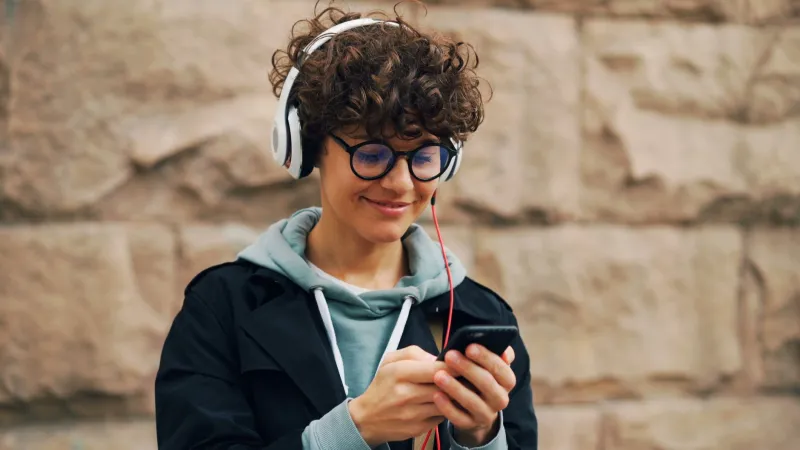
Somewhere out there, a 22-year-old is downloading an app that a 35-year-old deleted in embarrassment circa 2016, and they are doing it on purpose, with enthusiasm, like it's a discovery. And the Millennials watching this unfold are having a very specific kind of existential crisis — the kind that starts with "wait, we went through that so they wouldn't have to" and ends with a long look in the bathroom mirror.
Welcome to the most delightfully baffling dating culture story of 2024: Gen Z's unironic, enthusiastic embrace of retro dating apps and old-school romantic rituals. We're talking about platforms with less algorithmic wizardry, fewer AI-powered compatibility scores, and significantly more vibes. We're talking about phone calls before first dates. We're talking about asking someone out in person.
We know. We KNOW.
The Apps Making a Comeback (And Why)
Let's set the scene. The current dating app landscape is, objectively, a lot. We have apps that match you based on your attachment style. Apps that require voice notes. Apps that make you answer essay questions before you can even see a photo. Apps that use AI to predict long-term compatibility. The technology has never been more sophisticated. The romantic outcomes have never felt more chaotic.
And Gen Z — digital natives who grew up with all of this — is increasingly saying: no thanks, actually.
Data from multiple app analytics firms in 2024 showed unexpected user growth spikes in older, simpler platforms. Meanwhile, anecdotal evidence (which is to say: TikTok, Reddit threads, and every Gen Z person we could corner at a coffee shop) paints a consistent picture of a generation deliberately seeking out less-optimized romantic experiences.
Why? Dating expert and relationship coach Simone Abara, who works primarily with clients in their 20s and 30s, has a theory she calls "algorithmic exhaustion."
"Gen Z grew up having every digital experience personalized and optimized for them," she explains. "Music recommendations, shopping suggestions, content feeds — all of it perfectly calibrated. And what they're discovering in adulthood is that hyper-optimization in dating doesn't actually produce better relationships. It produces better-looking options with no guarantee of actual connection. So they're pulling back toward experiences that feel less engineered."
In other words: when the algorithm has been running your romantic life and it still feels like a mess, maybe the algorithm isn't the answer.
Millennials, Watching From a Distance, Are Deeply Unsettled
Here's where it gets genuinely funny. Millennials — the generation that lived through the early, clunky, pre-optimization era of dating apps — are watching Gen Z romanticize those exact experiences with the energy of someone watching a younger sibling enthusiastically order a dish they spent years trying to forget.
The Millennial relationship with early dating apps was not, historically, a loving one. It was a relationship born of necessity and sustained by hope, punctuated by extremely bad dates and the haunting memory of profile pictures taken on a BlackBerry. These were not golden years. These were years of figuring it out.
And yet. Gen Z looks at the simplicity of those earlier platforms — fewer features, less gamification, more direct communication — and sees something that current apps have lost: the absence of pressure to be perfect before you even meet someone.
Jordan Reese, 38, a Millennial from Seattle who has been in a relationship for six years and therefore watches all of this from a safe remove, put it best: "I deleted OkCupid in 2015 because I was exhausted by it. And now I'm watching 23-year-olds talk about it like it's a hidden gem. I feel like I'm being gaslit by time itself."
The Ritual Resurgence: Phone Calls, Slow Dating, and Asking People Out IRL
The app nostalgia is just part of the story. The more surprising element of Gen Z's romantic rebellion is the resurgence of pre-digital dating rituals — behaviors that even Millennials mostly abandoned in favor of texting.
Phone calls before first dates. Handwritten notes. Asking someone out in person, face-to-face, with words coming out of a mouth. Actual courtship pacing — multiple conversations before meeting, intentional slowness, the deliberate building of anticipation.
Social media, predictably, is full of Gen Z creators praising these approaches with the evangelism of recent converts. "Slow dating" became a genuine cultural conversation in 2024, with young people explicitly choosing fewer matches, more depth, and less of the rapid-fire, low-investment swiping that has defined app culture for a decade.
Abara sees this as directly connected to mental health awareness. "This generation has done more therapy, consumed more mental health content, and had more explicit conversations about emotional availability and attachment than any previous generation," she notes. "They understand, conceptually, that the volume-based approach to dating isn't serving them. The 'slow dating' trend is the behavioral outcome of that understanding."
Does Nostalgia Actually Make Dating Better, Though?
Here's where we have to be honest, because Oh, Timehin! does not do empty hype. The question worth asking is: is Gen Z actually onto something, or is this just another aesthetic choice dressed up as philosophy?
The evidence is genuinely mixed.
On one hand, research consistently supports the idea that slowing down the early stages of romantic connection — more conversation, less immediate in-person meeting, building emotional familiarity before physical — does correlate with more satisfying relationship outcomes. The "slow dating" instinct isn't baseless.
On the other hand, nostalgia has a well-documented tendency to smooth out the rough edges of the past. Those early apps weren't simpler because they were wiser — they were simpler because the technology didn't exist yet to make them more complicated. The catfishing was worse. The safety features were nonexistent. The ghosting was just as rampant, it just happened via a different interface.
Dr. Priya Nair, a sociologist who studies generational behavior at a university in New York, offers this framing: "What Gen Z is actually chasing isn't the specific tools of an earlier era — it's the feeling of those tools, which is the feeling of lower stakes and higher authenticity. The question is whether they can create that feeling with new tools, or whether they're going to have to learn the same lessons the previous generation learned about why those 'simpler' experiences weren't actually simpler."
Burning question, Dr. Nair. Burning question.
What This Generational Shift Actually Reveals
Strip away the nostalgia, the TikTok takes, and the Millennial bewilderment, and what you're left with is a pretty clear signal: people want to feel like technology is serving their romantic lives, not running them.
That's not a Gen Z-specific feeling. Ask any Millennial who's been on a dating app in the last five years and they'll tell you the same thing in different words. The difference is that Gen Z grew up with enough technological fluency to actually name what's bothering them and make deliberate choices in response.
Whether that means downloading an older app, calling instead of texting, or asking someone out at the farmers market like it's 1987 — the underlying impulse is the same: I want this to feel real.
And honestly? That's not confusing at all. That's just human.
Millennials, you can unclench. Gen Z figured something out. They just had to go through some of your old stuff to get there.