Gone Girl, But Make It a Lifestyle: The Utterly Baffling Appeal of Being Impossible to Reach

Somewhere between the third unanswered text and the second declined brunch invitation, something shifted. You stopped being annoyed at that friend who's always "so slammed" and started being... curious about them. What are they doing? Where are they going? Why do they seem so mysteriously unbothered while you're refreshing your notifications like it's a part-time job?
Welcome to the era of strategic unavailability, where the most coveted social currency isn't your follower count or your weekend plans — it's your apparent total indifference to whether anyone can reach you.
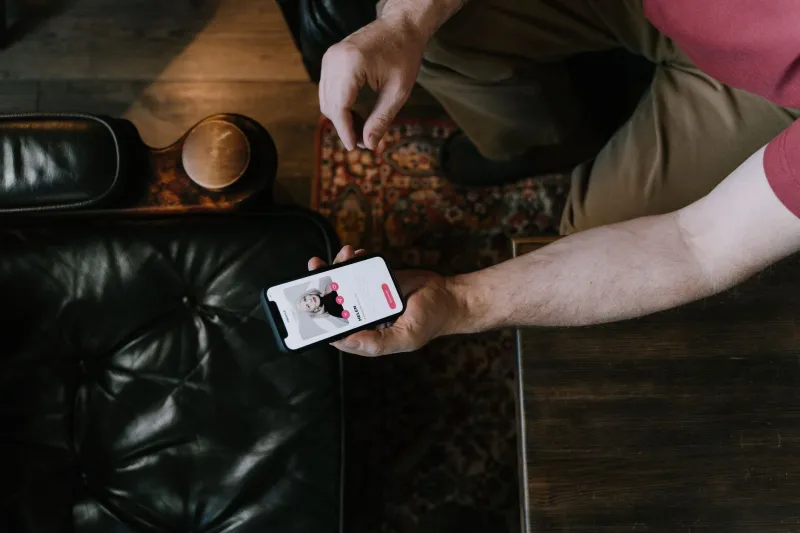
The Phone Is On. They're Just Not Answering It.
Let's be clear about something upfront: we are not talking about people who are genuinely busy. We are talking about a cultural phenomenon where being unreachable — or at least appearing to be — has become an aspirational quality.
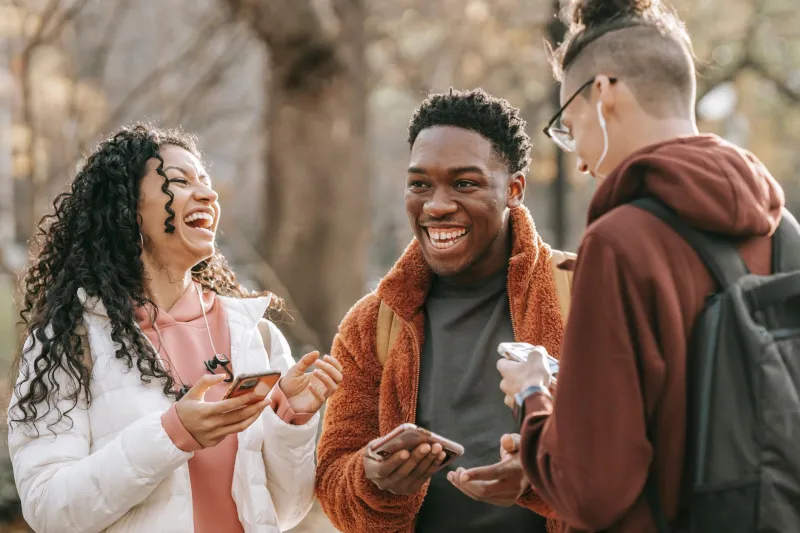
It shows up in small ways. The friend who responds to texts 48 hours later with zero apology. The colleague who left Instagram in January and hasn't mentioned it once. The person you're dating who is warm and engaged in person but practically a ghost between hangouts. The acquaintance who declined your last four invitations and somehow, inexplicably, became more interesting to you with each refusal.
This isn't accidental. Increasingly, it's intentional — and the psychology behind why it works is equal parts fascinating and deeply humbling.
Scarcity Is Doing What Scarcity Always Does
Economics, of all things, explains a lot of this. Scarcity creates perceived value. It's why limited-edition sneakers cause stampedes and why a restaurant with a three-month waitlist must be serving the best food in the city (it might not be, but you believe it is). Apply that same logic to human attention and availability, and suddenly the person who's hard to reach seems, well, more worth reaching.
"When someone is constantly available — always texting back instantly, always saying yes, always present — we unconsciously start to devalue their time and attention," explains one behavioral therapist who works with young adults in New York City. "It's not a character flaw in the person doing the devaluing. It's just how human brains process abundance versus scarcity. We want what feels rare."
The uncomfortable implication? In a world where everyone is perpetually accessible — notifications on, read receipts enabled, location sharing active — the person who opts out becomes the anomaly. And anomalies are interesting.
When Ghosting Events Became a Flex
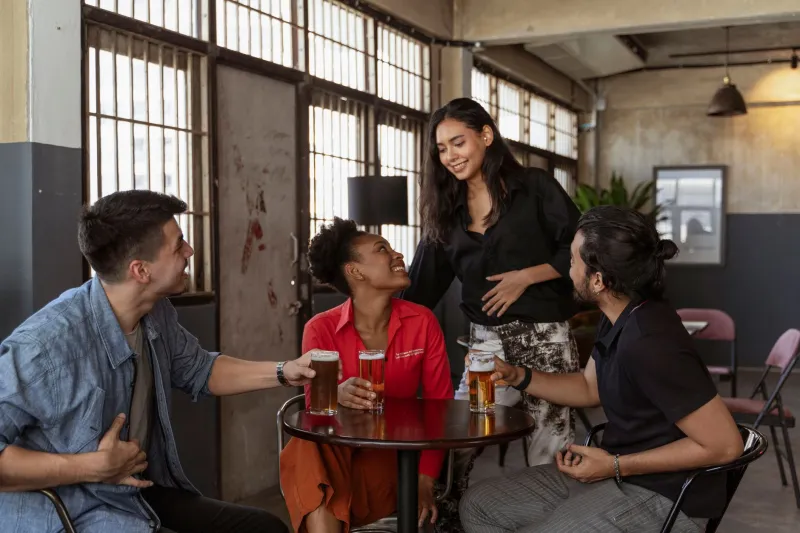
There's a specific version of this trend that's particularly wild to observe: the social event ghost. Not the person who flakes last minute (we've all been that person, no judgment), but the person who simply... doesn't engage with invitations at all. No RSVP. No explanation. No follow-up. They might show up. They might not. The mystery is, somehow, the point.
"I stopped explaining myself," says Jordan, a 29-year-old creative director from Brooklyn who describes herself as "aggressively selective" about her social calendar. "I used to over-apologize for not going to things. Now I just don't go, and I don't narrate it. The people who matter understand. And honestly? I've noticed people try harder to actually make plans worth my time."
Is this a little ruthless? Maybe. Is it working? Apparently, yes.
The social media disappearance is the ultimate version of this move. Accounts going dark — no farewell post, no "taking a break" story, just silence — have started to generate a peculiar kind of buzz. People notice. People ask around. The absence becomes a presence of its own.
What This Says About All of Us (And It's Not Flattering)
Here's the part where we have to be honest with ourselves, because Oh, Timehin! is nothing if not a safe space for uncomfortable truths: the reason strategic unavailability works is because the rest of us are absolutely starving for attention.
In a hyper-connected world where everyone is broadcasting constantly — every meal, every mood, every minor opinion about a TV show — genuine, focused human attention has become extraordinarily rare. When someone isn't performing their life for an audience, isn't immediately responsive, isn't urgently seeking your engagement, it reads as confidence. It reads as depth. It reads as they must have something going on that's more interesting than this.
And we are immediately, almost pathetically, intrigued.
"We've essentially trained ourselves to chase what doesn't chase us back," says one relationship coach based in Los Angeles who works with clients on attachment patterns. "The unavailable person triggers the same neural pathways as a puzzle we haven't solved yet. We want the answer. We want the access. It's very hard to override that response, even when you know intellectually what's happening."
The Line Between Mystique and Just Being Difficult
Now, before anyone goes home and deletes their Instagram and starts ignoring their best friend's texts in the name of becoming intriguing, a necessary caveat: there is a meaningful difference between genuine selectivity and being a person who is simply unpleasant to deal with.
The people who pull off strategic unavailability successfully tend to share a few traits. When they are present, they're fully present — engaged, warm, memorable. Their unavailability feels like it comes from a place of having a rich inner life, not from anxiety or avoidance or punishing the people around them. And critically, they're not doing it to manipulate. They're doing it because they've genuinely made peace with not being everything to everyone.
"The goal isn't to be hard to reach," Jordan clarifies. "The goal is to be so genuinely occupied with your own life that you naturally become harder to reach. Those are very different things."
One is a lifestyle. The other is a bit. And people can usually tell the difference.
Permission to Put the Phone Down
If there's something genuinely useful buried in this deeply strange cultural moment, it might be this: the frantic need to be available, responsive, and present for everyone at all times is exhausting, and it's okay to stop doing it.
Not as a strategy. Not to seem more interesting. Just because you're a person, not a customer service hotline.
The irony, of course, is that when you stop trying to be reachable and start actually living your life, you might just become the most interesting person in the room.
And you won't even be there to notice.